Introduction to Sweepstakes
Sweepstakes have long been a popular marketing tool. Originating in the 15th century, these contests have evolved from local raffles to international digital competitions. The rise of the internet has only increased their prevalence, transforming them into a global phenomenon. What are sweepstakes entries, you might ask? They are simply submissions made by participants to enter a sweepstakes contest.
In the early days, sweepstakes entries were often submitted via mail or in person. With the advent of technology, these methods have expanded, now including online forms, social media platforms, and even mobile apps. Sweepstakes offer companies a unique way to engage with customers, promote new products, and increase brand awareness.
What are sweepstakes entries?
Sweepstakes entries are the individual submissions that participants make to enter a sweepstakes or contest. They can take various forms such as online forms, social media posts, mail-in entries, or purchase entries. Each entry represents a chance to win the prize offered in the sweepstakes.
Different sweepstakes may have different entry methods and rules, so it’s essential for participants to understand the specifics of each sweepstakes they enter. Some sweepstakes may limit the number of entries per person, while others may allow multiple entries, increasing the chances of winning.
The importance of understanding what sweepstakes entries are cannot be overstated. They form the basis of any sweepstakes and play a crucial role in determining the odds of winning.
Understanding the Legal Framework

Sweepstakes are governed by a variety of laws and regulations. In the United States, for example, sweepstakes are regulated at both the federal and state levels. These laws ensure fairness, prevent fraud, and protect consumers from deceptive practices.
The legal framework around sweepstakes also dictates the requirements for eligibility, such as age or residency. For instance, many sweepstakes in the US require entrants to be at least 18 years old and legal residents of a particular state or the entire country.
Compliance with laws and regulations is not only crucial for the organizers but also for participants. Understanding these legal aspects helps participants recognize legitimate sweepstakes and steer clear of potential scams.
Importance of Rules and Regulations
Each sweepstakes comes with a set of rules and regulations that participants must adhere to. These rules typically outline the sweepstakes’ entry methods, eligibility requirements, prize details, winner selection process, and legal disclaimers. In some regions, such as Quebec in Canada and Rhode Island in the United States, there are specific rules that sweepstakes organizers must abide by.
In Quebec, for instance, any sweepstakes open to residents of the province must be registered with the Régie des alcools, des courses et des jeux, a government body. The sweepstakes organizer must also provide a security deposit and allow the Régie to mediate any disputes that may arise. As a result, many sweepstakes exclude Quebec residents due to these additional requirements.
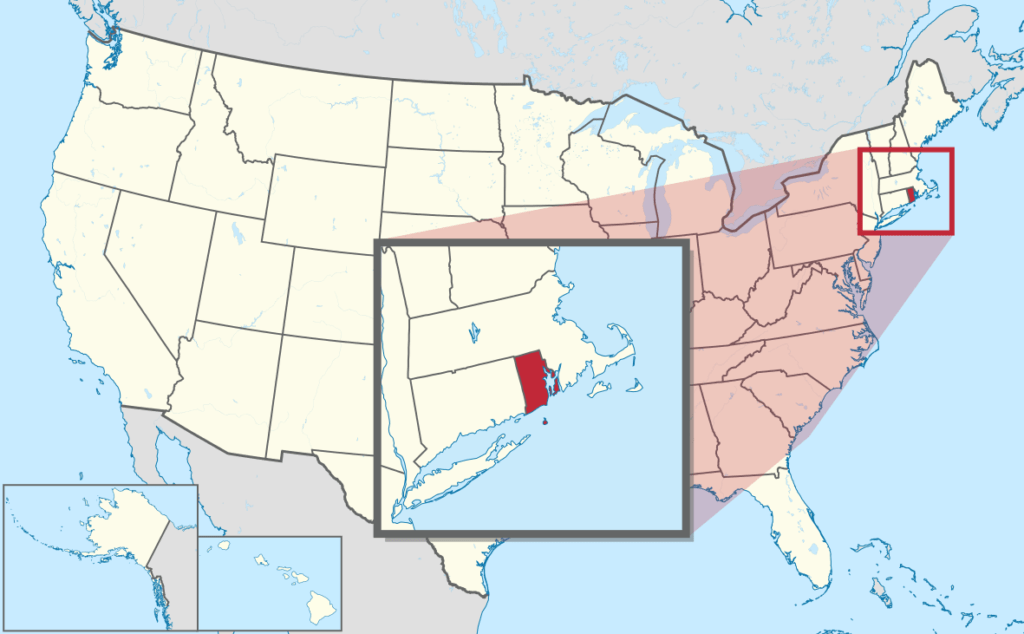
Similarly, Rhode Island has a unique law for retail sweepstakes. If a sweepstakes is run by a retail outlet and the prize value exceeds $500, the sweepstakes must be registered with the state’s Secretary of State. This requirement is why some sweepstakes may not be available to residents of Rhode Island.
Failing to comply with these rules can lead to disqualification. Hence, participants must always read and understand the rules before entering a sweepstakes. Furthermore, understanding the rules can help participants maximize their chances of winning, as they can ensure they meet all the criteria and follow the correct entry methods.
Types of Sweepstakes
There are several types of sweepstakes, each with its unique characteristics and methods of entry. These include instant win sweepstakes, daily entry sweepstakes, and one-time entry sweepstakes.
- Instant Win Sweepstakes: These sweepstakes allow participants to know immediately whether they’ve won a prize. They’re often digital and may require participants to play a game or perform a specific action to reveal if they’ve won.
- Daily Entry Sweepstakes: As the name suggests, these sweepstakes allow participants to enter once per day, every day, for the duration of the sweepstakes. This increases the odds of winning, as participants can submit multiple entries over time.
- One-Time Entry Sweepstakes: These sweepstakes only allow one entry per person for the entire duration of the sweepstakes. This means that every participant has an equal chance of winning.
How to Choose the Right Sweepstakes
Choosing the right sweepstakes to enter can be a daunting task, given the sheer number of options available. Here are a few factors to consider:
- Prize: Consider whether the prize is something you want or need. It might not be worth your time to enter a sweepstakes for a prize you’re not interested in.
- Number of Entries Allowed: Sweepstakes that allow multiple entries can increase your chances of winning. However, keep in mind that they might also require more time and effort.
- Probability of Winning: This can be influenced by the number of prizes, the number of entries, and the duration of the sweepstakes. For instance, a sweepstakes with numerous prizes or a low number of entries could have better odds.
Remember, the key is to balance the potential reward with the time and effort required to enter.
How to Enter Sweepstakes?
Entering sweepstakes can be as simple as filling out an online form or as complex as creating a contest-specific piece of content. Regardless, the process usually involves finding a sweepstakes, understanding the entry requirements, and submitting your entry.
Firstly, sweepstakes can be found on various platforms like company websites, social media pages, or sweepstakes directories. Once you’ve found a sweepstakes you’re interested in, the next step is to understand its entry requirements. These may include eligibility criteria like age and residency, as well as specific entry methods.
Lastly, submit your entry following the instructions provided. This could involve filling out an online form, sending a mail-in entry, making a purchase, or participating in a task like creating and submitting a photo or video.
Sweepstakes Entry Methods
There are several ways to enter a sweepstakes, and the method can greatly affect your chances of winning. Here are a few common entry methods:
- Online Entries: These are the most common type of entry and typically involve filling out a form on a website.
- Mail-in Entries: Some sweepstakes allow or require entries to be mailed in. These typically involve filling out a form or postcard and sending it to a specified address.
- In-Store Entries: These require you to visit a physical location and usually involve filling out a form or making a purchase.
- Social Media Entries: These involve interacting with a brand’s social media page, such as by liking, sharing, or commenting on a post.
Remember, it’s essential to follow the specific instructions for each entry method to ensure your entry is valid.
Common Entry Requirements
While entry requirements can vary between sweepstakes, there are a few common ones to be aware of.
- Age: Most sweepstakes require entrants to be of a certain age, often 18 or older.
- Residency: Many sweepstakes are restricted to residents of specific countries, states, or regions.
- Email: Almost all online sweepstakes require a valid email address for entry and for contacting winners.
Understanding these requirements can save you time by helping you quickly identify sweepstakes you’re eligible for.
What is a Sweepstakes Draw?
A sweepstakes draw is the process by which winners are selected. It’s typically conducted by the sweepstakes organizer and involves randomly selecting entries from the pool of valid submissions.
Most sweepstakes draws are conducted using random drawing software to ensure fairness. The selected entries are then checked against the sweepstakes rules to verify eligibility before a winner is declared.
The process is designed to be random and unbiased, ensuring every valid entry has an equal chance of winning. In some cases, the draw may be overseen by an independent third party to further ensure its integrity.
How are Winners Notified?
Once a winner has been drawn and confirmed, the sweepstakes organizer typically notifies them through the contact information provided in their entry. This is often done via email, but can also be via phone, mail, or even through a public announcement.
The notification usually includes details about the prize and instructions on how to claim it. It’s important for winners to respond promptly, as there’s often a deadline to claim prizes. If a winner fails to respond within the specified timeframe, the prize may be forfeited and awarded to an alternate winner.
Always ensure the contact information you provide when entering a sweepstakes is current and accurate. This will help prevent any delays or complications in receiving your prize should you win.
What Happens if You Win?
If you win a sweepstakes, the first step is usually to confirm your eligibility and acceptance of the prize. This typically involves responding to the winner notification and providing any additional information required, such as proof of age or residency.
Once your eligibility is confirmed and you’ve accepted the prize, the sweepstakes organizer will arrange for the delivery of your prize. This could involve mailing a physical prize, transferring funds for a cash prize, or providing instructions for redeeming a digital prize.
It’s important to note that prizes may be subject to taxes, depending on the laws of your country or state. It’s always a good idea to consult with a tax professional if you win a substantial prize.
What are the Odds of Winning a Sweepstakes?
The odds of winning a sweepstakes are determined by the number of entries received and the number of prizes available. The more entries a sweepstakes receives, the lower the odds of winning. Conversely, the more prizes a sweepstakes offers, the higher the odds of winning.
For example, if a sweepstakes receives 1,000 entries and is giving away 10 prizes, your odds of winning are 1 in 100. However, keep in mind that most sweepstakes receive many more entries, and the odds of winning are usually much lower.
How to Improve Your Chances of Winning
Improving your odds in a sweepstakes might seem impossible, but there are a few strategies you can use:
- Enter Regularly: The more often you enter, the better your chances of winning. This is especially true for sweepstakes that allow daily entries.
- Choose the Right Sweepstakes: Look for sweepstakes with a large number of prizes or fewer entries. These will naturally have better odds.
- Follow the Rules: Ensure every entry you submit is valid by carefully following the sweepstakes rules. Disqualified entries can’t win!
Remember, while these strategies can improve your odds, winning a sweepstakes is never guaranteed.
Common Misconceptions about Sweepstakes
Despite their popularity, many misconceptions surround sweepstakes. Some people believe that only certain types of people win sweepstakes, while others think that all sweepstakes are scams. Neither of these beliefs is true.
The winners of sweepstakes are chosen at random, meaning anyone who enters has a chance of winning. Moreover, while scams do exist, many legitimate sweepstakes offer real prizes and are conducted fairly.
How to Spot a Sweepstakes Scam
Unfortunately, not all sweepstakes are legitimate. Here are some red flags to watch for:
- Requests for Payment: Legitimate sweepstakes will never ask you to pay to enter or to claim a prize.
- High-Pressure Tactics: Be wary of communications that pressure you to act quickly or make a decision on the spot.
- Lack of Clear Rules: Legitimate sweepstakes will have clear, detailed rules. If you can’t find the rules or they’re very vague, it could be a scam.
- Unsolicited Contact: If you receive a notification about winning a sweepstakes you don’t remember entering, it’s likely a scam.
Remember, if something seems too good to be true, it probably is. Always use your best judgment and do your research before entering a sweepstakes.
Conclusion
Participating in sweepstakes can be a fun and exciting way to potentially win great prizes. What are sweepstakes entries? They are your tickets to these opportunities. Understanding how sweepstakes work, from the legal aspects to the entry methods and winner selection, can help you navigate this world more confidently and increase your chances of becoming a winner.
Remember to be mindful of potential scams and always ensure that you’re entering legitimate sweepstakes. So why not try your luck? You never know when you might win! 🎉🍀
Glossary
Sweepstakes: A type of contest where prizes are given away at no charge to the participants. Winners are selected at random.
Sweepstakes Entries: Individual submissions that participants make to enter a sweepstakes or contest.
Instant Win Sweepstakes: Sweepstakes where winners are determined instantly upon entry.
Daily Entry Sweepstakes: Sweepstakes that allow participants to enter once per day, every day, for the duration of the contest.
One-Time Entry Sweepstakes: Sweepstakes that only allow one entry per person for the entire duration of the contest.
Sweepstakes Draw: The process by which winners are selected in a sweepstakes. It’s typically done randomly to ensure fairness.
Sweepstakes Scam: A fraudulent practice where scammers trick individuals into believing they’ve won a prize in order to steal money or personal information.
Odds: The likelihood of winning a sweepstakes. It’s determined by the number of entries received and the number of prizes available.